
What Does Being Drunk Feel Like? The Stages of Intoxication
The brain’s chemistry changes, requiring more alcohol to achieve the same desired effects or even just to feel normal and prevent withdrawal symptoms. Reaching the stupor or coma stage indicates severe alcohol poisoning and is extremely dangerous. It can lead to seizures, respiratory depression, choking, permanent brain damage, and death if not treated immediately by medical professionals.
Loss of Coordination
It is colorless, clear, and produced through the process of fermentation. But how can this small thing cause such a profound effect on our bodies? Blood alcohol concentration (BAC) measures the amount of alcohol in the blood and is shown as a percentage. An example of when your BAC is typically measured is when a police officer suspects you’re driving under the influence. To pace yourself and minimize alcohol consumption, consider alternating between alcoholic and non-alcoholic beverages.
How long does alcohol stay in your system?
If you’re with someone experiencing the effects of both substances, what are the immediate steps you should take to ensure their safety? What signs of danger should you look out for that indicate the need for urgent medical attention? Signs of alcohol poisoning or drug overdose can include vomiting, confusion, seizures, slow or irregular breathing, and unconsciousness—a prompt response can save lives. Recognizing that someone is both intoxicated and high is crucial, but what to do when someone is high and drunk? How can you safely manage the situation to prevent harm both to the individual and to others around them? If someone is showing signs of severe impairment or distress, it is vital what does being drunk feel like to keep them safe and calm until help arrives.
Risks and Dangers of Excessive Intoxication
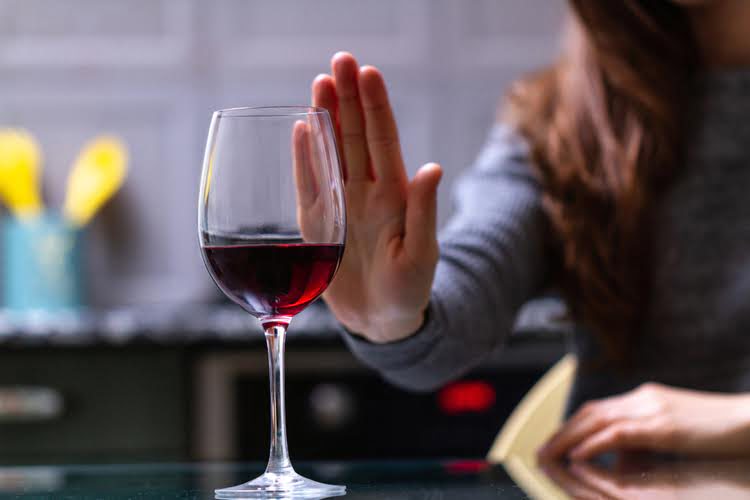
Understanding the influence of social settings on drinking behavior is crucial for promoting healthier drinking habits. One of the initial emotional effects of being drunk is an increase in confidence and sociability. Alcohol stimulates the release of neurotransmitters like dopamine and serotonin, which contribute to feelings of euphoria and reduced social anxiety.
Spending about nine hours in sleep might make you experience sleep drunkenness more than average. Alcohol might seem like a friendly social lubricant, but it’s a sneaky one, quietly infiltrating our brain and bodily systems. Its first stop is the central nervous system — the brain — command central for all our actions, thoughts, and feelings. If you’re out at a bar or party, it’s important to be able to tell when someone has had too much to drink. First, they may be slurring their words or having trouble speaking. Second, they may be having trouble walking or standing Halfway house up straight.
- Breathing becomes shallow and labored, and there is a significant risk of choking on one’s own vomit.
- One of the most significant dangers of excessive intoxication is the increased risk of accidents and injuries.
- This cluster of withdrawal-like symptoms creates a strong aversion, which for many, results in a desire to continue drinking to alleviate the discomfort.
- As a trusted Georgia recovery center, we are dedicated to serving our clients through various alcohol and drug addiction programs.
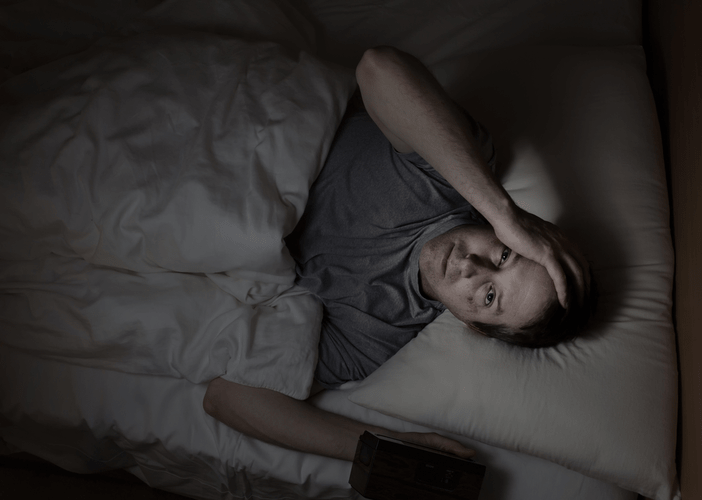
This can help you stay hydrated and reduce the overall amount of alcohol you consume. Opt for water, soda, or other non-alcoholic options to give your body a break from alcohol and maintain a clear mind. Drinking doesn’t just affect your body—it has profound impacts on your brain and emotions as well. https://footybite.uk/benefits-of-certification-minnesota-association-of/ As your body tries to process and expel excessive amounts of alcohol, nausea and vomiting may occur.
While minor coordination issues and slight speech slurring occur, most people remain functional. This state often brings feelings of happiness and increased confidence, enhancing social interactions. However, judgment remains somewhat impaired, requiring thoughtful decision-making to avoid potential problems.
